
Over the past decade, the way people work has changed dramatically. Traditional employment is no longer the only path to a successful career. Today, thousands of individuals are building solo businesses — companies run by one person, often supported by technology and outsourced services.
From online stores to digital creators selling products, the barriers to starting a business have never been lower. But while launching a business is easier than ever, scaling it can still be challenging.
This is where ecommerce fulfilment plays a critical role.
What Is a Solo Business?
A solo business (often called a solopreneur business) is a company run primarily by a single person. Unlike traditional small businesses, solo entrepreneurs typically rely on automation, digital tools, and external partners rather than hiring large teams.
Examples include:
-
Ecommerce store owners
-
Subscription box businesses
-
Online brands selling physical products
-
Print-on-demand sellers
-
Influencers launching merchandise
Many of these businesses generate significant revenue while remaining lean and flexible.
Why Solo Businesses Are Growing
Several factors have contributed to the rise of solo businesses.
Technology Has Lowered the Barrier to Entry
Platforms like Shopify, Etsy, and Amazon allow entrepreneurs to launch an online store quickly without needing technical skills.
Remote Work Changed Mindsets
The pandemic accelerated remote work and showed people that traditional office jobs aren’t the only option.
Social Media Creates Direct Customers
Platforms like Instagram, TikTok, and YouTube allow creators and entrepreneurs to build audiences and sell directly to them.
Fulfilment Can Be Outsourced
One of the biggest challenges for product-based businesses is storing, packing, and shipping products. Today, fulfilment companies make it possible to outsource this entire process.
The Hidden Challenge: Fulfilment
While starting an ecommerce business is relatively easy, managing orders quickly becomes overwhelming as sales increase.
Solo entrepreneurs often face challenges such as:
-
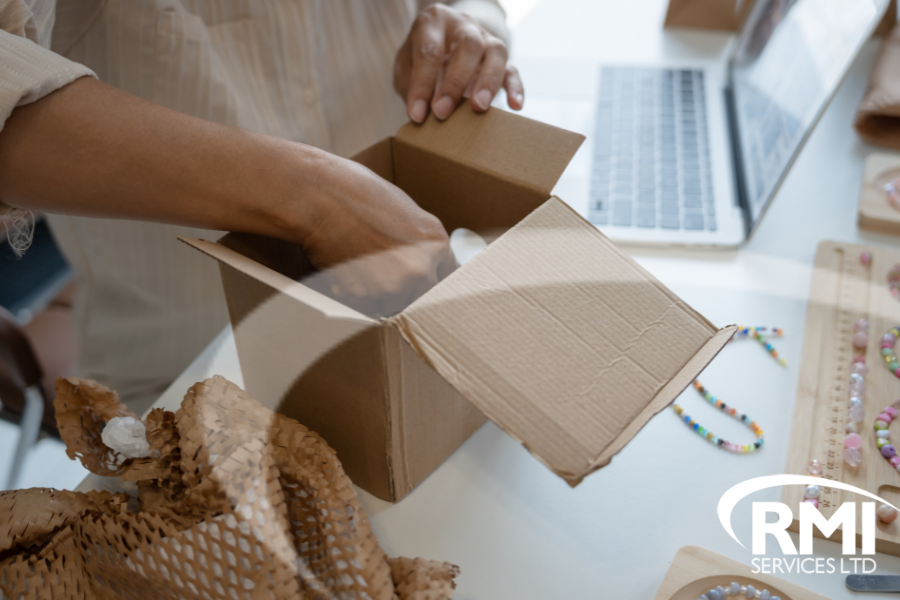
Storing inventory at home
-
Spending hours packing orders
-
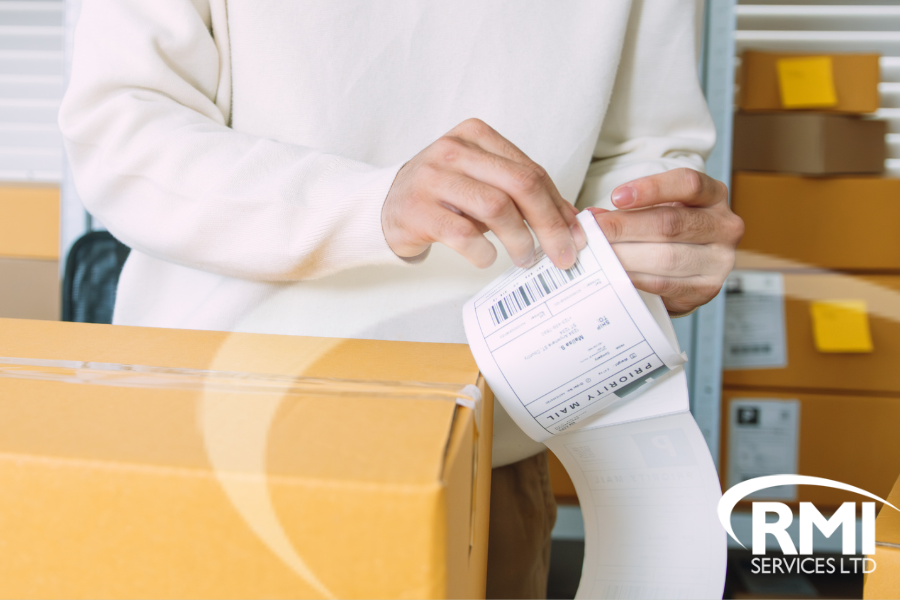
Managing shipping labels and couriers
-
Handling returns and stock management
This is where professional fulfilment services become essential.
How Fulfilment Partners Enable Solo Entrepreneurs
A fulfilment partner allows a solo business owner to focus on growing their brand instead of packing boxes.
With the right fulfilment partner, businesses can:
-
Store their products in a professional warehouse
-
Have orders automatically picked, packed, and shipped
-
Integrate directly with ecommerce platforms
-
Scale operations without hiring staff
This turns what would normally require a team into a streamlined system that one person can manage.
How RMI Services Supports Ecommerce Businesses
At RMI Services, we work with growing ecommerce brands that need reliable fulfilment without the complexity of running their own warehouse.
Our fulfilment services help businesses by:
-
Securely storing inventory
-
Picking and packing orders efficiently
-
Dispatching orders quickly through trusted couriers
-
Supporting ecommerce integrations
For solo entrepreneurs, this means they can focus on marketing, product development, and customer relationships, while we handle the logistics behind the scenes.
The Future of Solo Businesses
The trend toward solo businesses is only accelerating. As technology improves and fulfilment services become more accessible, entrepreneurs can build scalable businesses without needing large teams or infrastructure.
The next generation of businesses will likely look very different from traditional companies — smaller teams, smarter systems, and strategic partners that handle the operational side.
For many ecommerce brands, fulfilment partners like RMI Services are a key part of making that possible.